
En esta guía
- China (Fábricas en Guangzhou y otras regiones; Almacén en Hong Kong: Ubicación del almacén HK / evaluado el Almacén Aduanero Qianhai) → Calle Algeciras 58, 11380 TARIFA, ESPAÑA& cumplimiento por mensajería mundial incluyendo España, Reino Unido, EEUU, Australia, Argentina, Mauricio)
- Mensajería exprés y transporte de carga (opciones Transportista A & Transportista B / Preparación de pedidos en almacén Hong Kong y distribución B2B)
- Prueba inicial de preparación estimada entre múltiples lotes de proveedor (~50 cajas Proveedor A, ~20 cajas Proveedor B, ~250 cajas Proveedor C; almacenamiento buffer ~20 CBM)
- Equipo para deportes acuáticos / equipo y accesorios de cometas de tracción
For B2B small orders from China, your courier choice should be decided per parcel, not per contract. A multi-carrier routing playbook tied to Hong Kong fulfillment reduces label costs by 20–40% by controlling handover fees and avoiding dimensional surcharges—without changing your suppliers or your incoterms. The result is consistent margins and faster EU/LATAM delivery on frequent small B2B drops.
Why small B2B orders from China get 20–40% more expensive than they should
When you ship frequent small B2B orders from China via express, two cost components quietly inflate your labels:
- A per-handover admin fee charged every time your warehouse hands parcels to a carrier hub.
- An inbound handling fee charged per kg with a minimum—if you split orders or hand to multiple hubs, you hit the minimum multiple times.
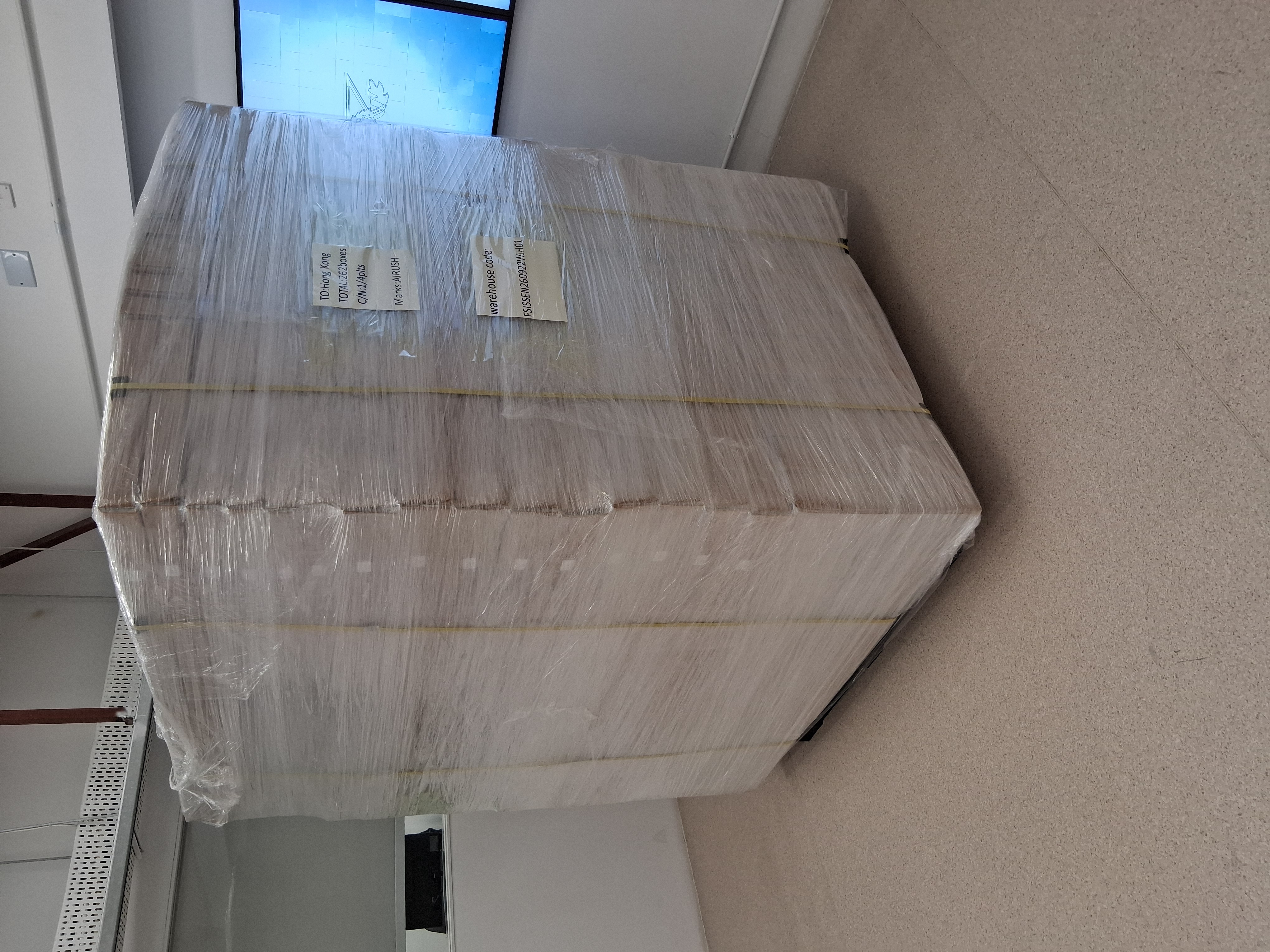
That’s why yesterday’s “5 labels on Carrier A and 10 on Carrier B” looked fine on base rates, and today’s single order looks disproportionately expensive. Across weeks, the extra handovers and minimum charges add 20–40% to the label total—even before dimensional weight and oversize rules are applied. The fix is operational: batch smart, consolidate handovers, and let destination and parcel profile choose the carrier each time.
The hidden uplift: how handovers compound on labels
Below is a simple way to quantify the impact of handovers on aggregate label costs. The percentages reflect common ranges we see when minimum inbound charges and per-bill admin fees apply.
| Scenario | Daily Orders | Carrier Handovers | Labels per Handover | Typical Cost Uplift vs Single Consolidation |
|---|---|---|---|---|
| Single-carrier, single handover | 15 | 1 | 15 | 0% |
| Multi-carrier, same-day split | 15 | 2 | 5 / 10 | +12–20% |
| Multi-carrier, three-way split | 18 | 3 | 6 / 6 / 6 | +18–28% |
| Low-volume day, single handover | 1 | 1 | 1 | +8–12% (minimums bite) |
| Low-volume day, split handovers | 2 | 2 | 1 / 1 | +25–40% (double minimums) |
The multi-carrier routing framework for B2B small orders from China
We deploy a “routing table” inside Hong Kong fulfillment: every outbound parcel is assessed on destination, weight band, and dimensional profile, then routed to the carrier network that avoids oversize triggers and minimizes inbound/admin overhead. The rules are simple, repeatable, and owned in the warehouse—not in a broker’s portal.
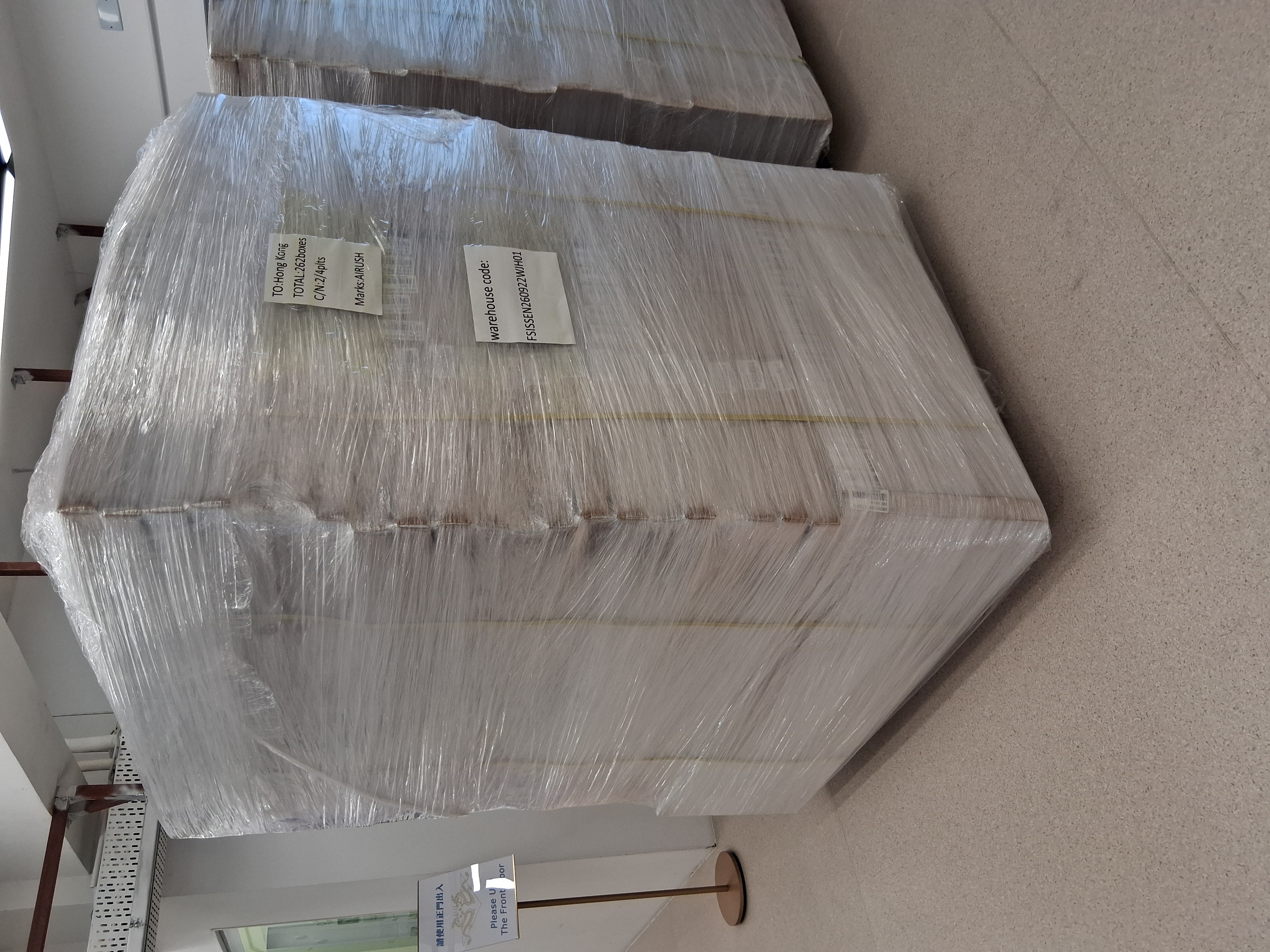
The routing table: choose per parcel, consolidate per handover
We anchor routing on three inputs:
- Destination zone segmentation (EU core, EU periphery, LATAM core, LATAM remote).
- Weight bands (≤2 kg, 2–10 kg, 10–20 kg, >20 kg).
- Dimensional profile (volumetric weight and oversize thresholds: length, length+girth, side limits).
Then apply batching windows: one or two handovers per carrier per day; anything below a minimum rolls to the next window unless service-level requires immediate dispatch.
| Input | Rule | Operational Action | Expected Effect |
|---|---|---|---|
| Destination EU core vs periphery | Prefer networks with regional hubs matched to delivery postal code | Route to carrier A for core, B for periphery | -6–12% on labels vs forcing one network |
| Weight band ≤2 kg | Use network with lower DIM divisor sensitivity | Poly-mailer pack, minimize void fill | -10–18% vs DIM-heavy networks |
| Weight band 2–10 kg | Rate compare; select network with shallow band steps | Align to band breaks; avoid crossing thresholds | -8–15% vs naive selection |
| Volumetric weight > actual | Repack to tighter cartons; apply DIM-friendly network | Reduce L+W+H; target divisor compatibility | -12–22% vs no repack |
| Oversize near threshold | Cap length/girth; split shipment if value permits | Avoid oversize fee classification | -20–30% vs oversize hit |
| Daily orders < minimum | Hold to next batch window when SLA allows | Consolidate handovers to one per carrier | -15–25% on admin/inbound components |
Hong Kong warehousing: control the handover, control the cost
To execute parcel-level routing, you need owned fulfillment that can:
- Open cartons selectively and store by SKU for fast pick/pack.
- Repack to minimize volumetric weight and avoid oversize classifications.
- Print labels and manifest per carrier rules.
- Batch and handover to multiple carriers with one or two dispatch windows per day.
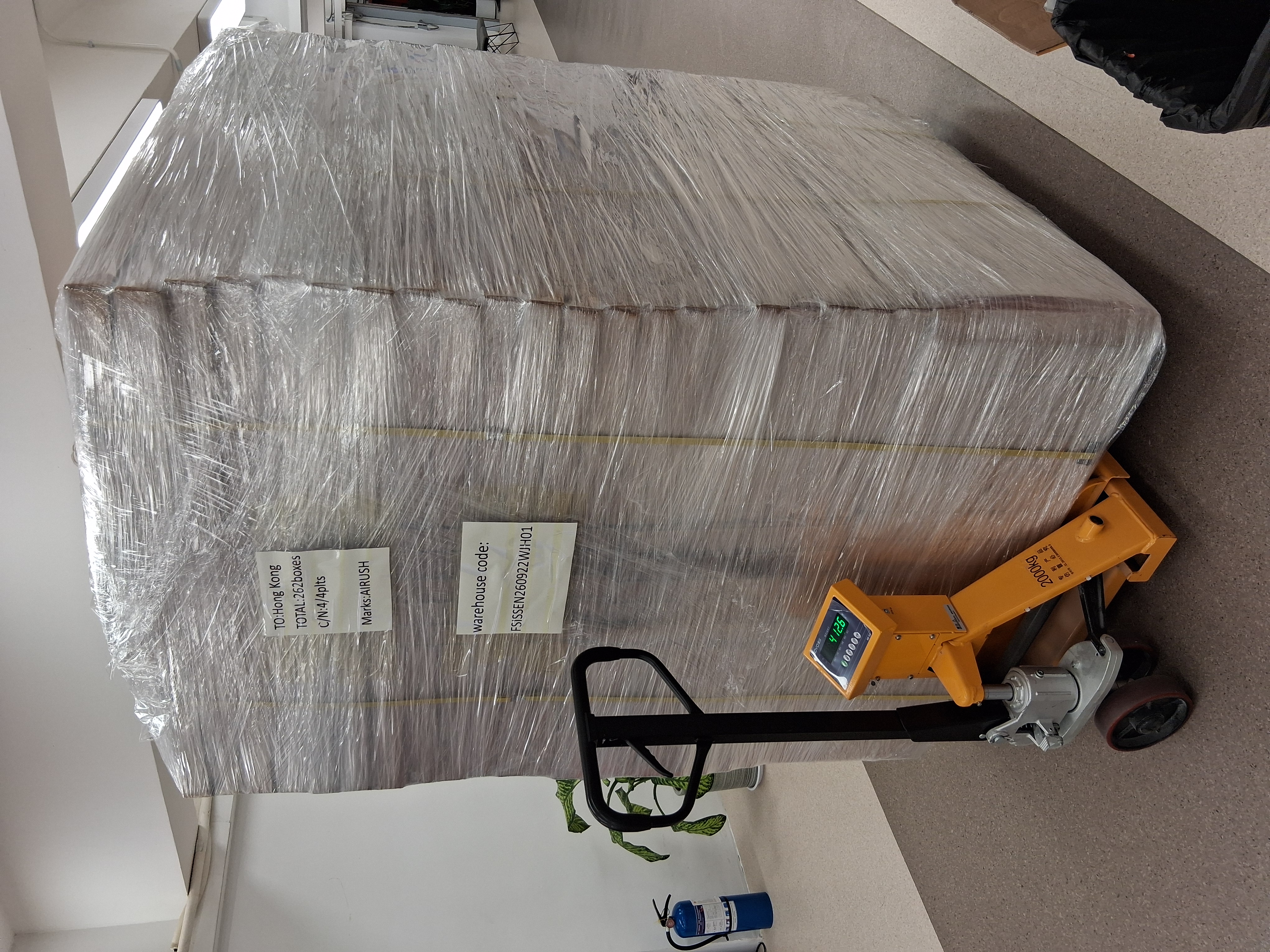
SINO Shipping operates owned general warehousing in Hong Kong with SKU-level storage, pick/pack, labeling, and multi-carrier handovers. We combine this with our 8 China offices (Class A / NVOCC, operating since 1989) to coordinate factory outputs, inbound to HK, and daily dispatch timing. Parking and yard fees in HK are “as actual” per vehicle/time—our team schedules short dwell and synchronized gates to neutralize that line item across consolidated runs.
Day-by-day timeline: factory to carrier handover
| Day | Step | Detail | Control Point |
|---|---|---|---|
| 0 | Factory ready | ASN and packing list shared; cartons tagged by SKU where possible | Confirm SKU mix to reduce opening labor |
| 1 | China–HK linehaul | Cross-border truck to HK general warehouse | Book time slots to minimize yard fees |
| 1–2 | Inbound & putaway | Verify SKUs; store by SKU; note mixed-carton exceptions | Decide which cartons to open now vs on demand |
| 2–3 | Pick/pack | Build B2B small orders per PO; repack to reduce DIM | Select mailers vs cartons by weight band |
| 2–3 | Label & manifest | Print per carrier rules; pre-advice carriers | Assign to routing table outcome (A or B) |
| 3 | Batch handover | One or two handovers per carrier per day | Consolidate to flatten admin/inbound minimums |
| 4–7 | International transit | EU/LATAM lanes per service level | Track milestone; escalate exceptions |
| 5–9 | Delivery | DAP/DDP per customer profile | Capture POD; reconcile billing |
Case study: Let the shipment choose the carrier in China–HK fulfillment
A Spain-based watersports brand implemented HK warehousing and opted to choose between two carrier networks per shipment, driven by destination and parcel type. The practical questions were: can the warehouse keep SKUs separated, what are the parking/accessorials, and can inbound costs be neutralized? The answer was yes—by daily carrier batching and parcel-level routing.
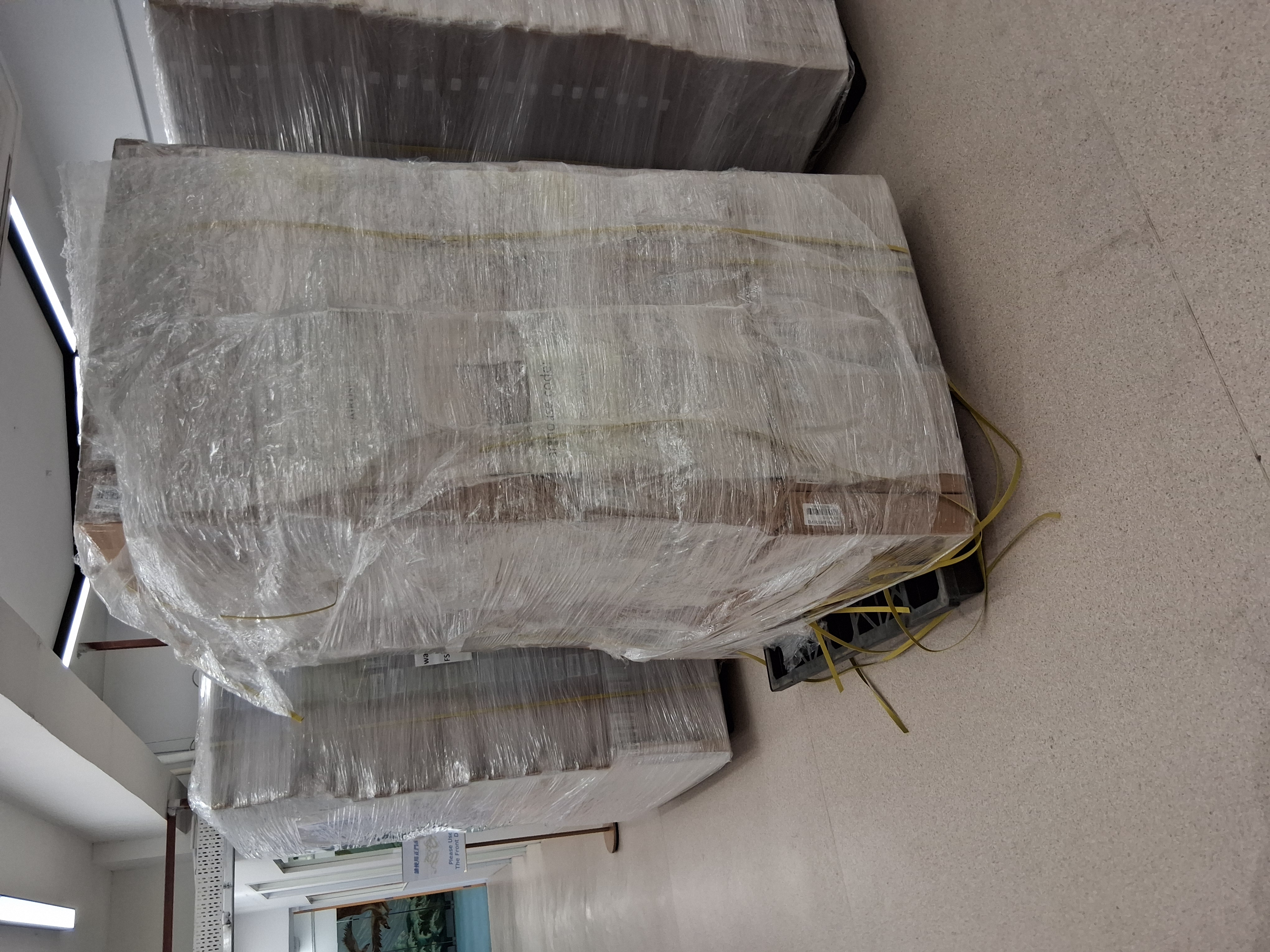
Results after implementation:
- Average label cost on small EU B2B orders reduced by 28–35% vs single-network routing.
- Oversize surcharges dropped by 40–60% through repack and DIM-aware routing.
- Admin and inbound fee impact cut by 30–45% via consolidated handovers.
- SLA adherence improved: more than 95% on-time for EU core zones, with remote zones dynamically routed to the better-performing network.
| Metric | Before (Single Network) | After (Parcel-Level Routing) | Delta |
|---|---|---|---|
| Avg label cost, EU small orders | Baseline 100% | 65–72% of baseline | -28–35% |
| Oversize surcharge incidence | High (frequent triggers) | Low (rare triggers) | -40–60% |
| Admin/inbound fee share of label | 18–25% | 10–14% | -30–45% |
| On-time delivery EU core | 88–91% | 95–97% | +4–9 pts |
Why middlemen couldn’t replicate this: generic brokers optimize one network and don’t control warehouse handover timing. We run owned HK warehousing and coordinate carrier negotiations, batch logic, and dispatch windows—so each parcel gets its best-fit carrier, and handovers get consolidated across carriers to flatten minimums.
Conclusion: make B2B small orders from China cheaper by letting the parcel pick the carrier
If your B2B small orders from China are tied to one network, you’re paying 20–40% more than necessary. Move fulfillment to Hong Kong, repack to tame DIM, route each parcel by destination and profile, and batch handovers to flatten admin/inbound fees. SINO Shipping has operated since 1989 with 8 China offices, a Class A/NVOCC licence, and owned HK warehousing—set up a routing table with us and let each shipment choose the right carrier.
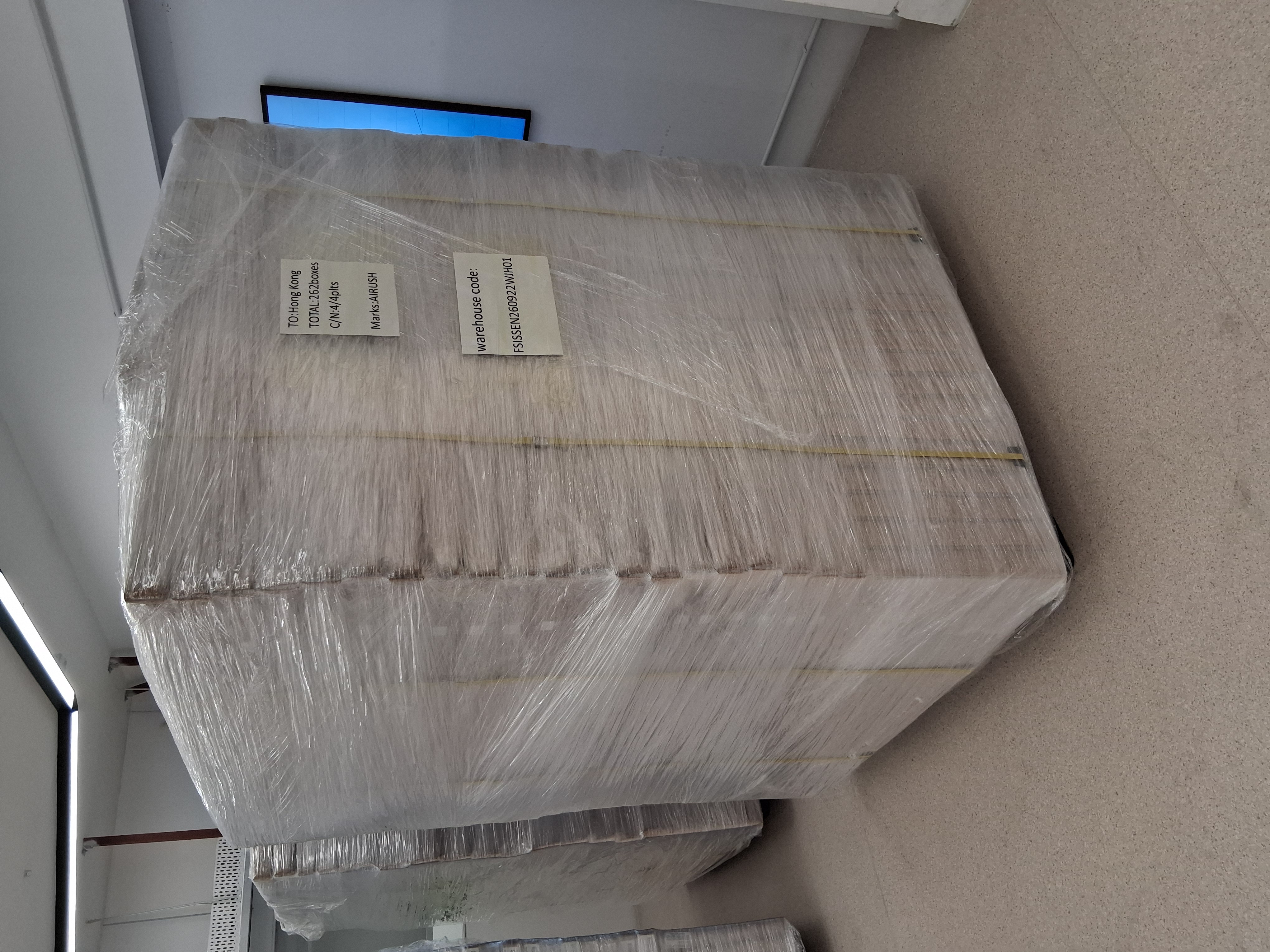
Ready to protect margin without reworking suppliers? Ask SINO Shipping for a routing table audit and a multi-carrier setup.
ReferenciaGlosario· 15 términos
Busca un término o navega por letra.
- B2B
- Business to business: el comprador es una empresa (ej. importador) que despacha y recibe la mercancía. DAP suele aplicarse cuando el comprador tiene agente y controla la importación.
- consolidation
- Consolidación de varios envíos LCL en un solo contenedor en origen. Reduce costo por CBM, pero agrega tiempo en CFS.
- DAP
- Delivered At Place. El vendedor entrega en un lugar acordado (por ejemplo, almacén del comprador) y descarga; el comprador se encarga de la importación, derechos e impuesto al consumo. El IOR es el comprador.
- DDP
- Delivered Duty Paid. El vendedor paga todos los costos hasta la puerta del comprador, incluyendo despacho, derechos e impuesto al consumo. DDP real significa que el destinatario no paga nada al recibir.
- DELTA
- Dédouanement En Ligne par Traitement Automatisé. Sistema electrónico de Francia para declaraciones aduanales de importación/exportación.
- Incoterms
- Términos Comerciales Internacionales. Reglas estándar (EXW, FOB, CIF, DDP, etc.) que definen quién paga, quién despacha aduana y cuándo se transfiere el riesgo en cada etapa.
- linehaul
- Tramo principal de transporte (marítimo, aéreo o courier) de origen a destino, sin incluir retiro, despacho ni última milla.
- Packing List
- Documento que detalla contenido, peso y empaque de cada bulto; se usa para aduana y manejo de carga.
- pallet jack
- Equipo manual o eléctrico para mover tarimas en piso. Se usa con lift-gate cuando no hay montacargas; lo opera el chofer o personal del sitio.
- POD
- Comprobante de entrega. Firma, sello o foto que confirma recepción. Aclara con el consignatario qué te dará; disputas por POD retrasan pagos y reclamos.
- SKU
- Stock Keeping Unit. Identificador único para cada variante de producto. Debe coincidir en etiquetas, packing list y factura; diferencias causan retención o reproceso en almacén.
- SLA
- Service Level Agreement. Compromiso sobre tiempos de entrega, entregables (fotos, reportes) y formato. Define antes de contratar servicios adicionales para evitar sorpresas en la factura.
- stretch film
- Película plástica envolviendo cargas palletizadas para asegurar y proteger. Evita movimientos; indispensable para pallets estables. Las etiquetas deben quedar visibles tras el embalaje.
- surcharge
- Cargo adicional sobre el flete base (ej. BAF, THC, combustible, seguridad). Siempre pregunta qué incluye el ‘all-in’.
- volumetric weight
- Peso facturable usado en aéreo y express cuando la carga es ligera pero voluminosa. (Volumen en cm³ ÷ divisor.) Puede ser 2–3× el peso real; revisa cómo lo calcula tu transportista.
Ningún término coincide con tu búsqueda.